


choosing your subjects
Why study English Language?
English Language is essential for young people aiming to succeed in today’s world. Mastery of effective communication, both written and verbal, is a crucial skill. It is equally important to develop perceptive reading abilities, enabling students to recognise bias and fully understand the intentions behind a writer’s words. By honing these skills, students are empowered to think independently about the information they encounter in their daily lives, assessing what they hear, see, and read and making thoughtful, informed decisions, rather than simply accepting a single version of the truth.
Frequently Asked Questions about English Language
What will I learn?
Students will engage with a broad range of texts, serving as both reading stimuli and opportunities for creative exploration in real and relevant contexts. Through the course, learners will develop advanced reading and critical thinking skills, which encourage genuine enquiry into a variety of topics and themes. The curriculum is designed to ensure that all students can read fluently, write effectively, and demonstrate confident control of Standard English, including crafting grammatically correct sentences, using figurative language, and analysing texts.
Specifically, the GCSE English Language course will enable students to:
- Read fluently and with good understanding a wide array of texts from the 19th, 20th, and 21st centuries, covering literature, literary non-fiction, and other forms such as reviews and journalism.
- Critically evaluate texts and make effective comparisons between them.
- Summarise and synthesise information or ideas drawn from various texts.
- Apply knowledge gained from extensive reading to inform and improve their own writing skills.
- Write effectively and coherently, making appropriate use of Standard English.
- Utilise correct grammar, punctuation, and spelling throughout their work.
- Acquire and apply a broad vocabulary, alongside a solid understanding of grammatical terminology and linguistic conventions for reading, writing, and spoken language.
- Listen to and comprehend spoken language, as well as use spoken Standard English effectively.
how will i be assessed?
Assessment for GCSE English Language consists of two papers:
- Paper 1: Explorations in Creative Reading and Writing
- Paper 2: Writers’ Viewpoints and Perspectives
how will i be assessed?
Students will follow the GCSE English Language (8700) course offered by AQA.
What equipment will I need?
No specialist equipment is necessary beyond standard writing materials. The Academy may also suggest a study guide or workbook to support your learning.
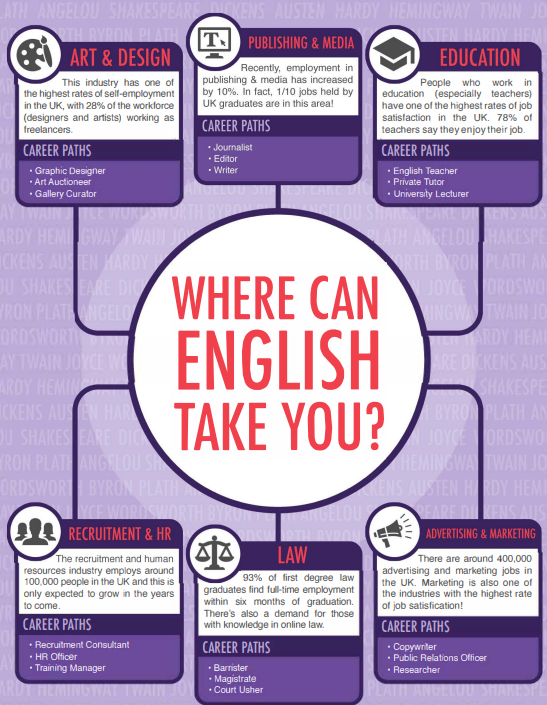
Where can this subject take me?
How Can I Support My Child with English at Home?
The most important way to support your child with their English studies is to encourage them to read widely and regularly. Engaging with a wide range of fiction and non-fiction texts, including newspapers, articles, blogs, and playing word games, will help develop their vocabulary, reading fluency, and spelling accuracy.
Discussing what your child is reading and even reading the same texts together provides valuable opportunities for conversation and deeper understanding. Becoming a member of a local library or encouraging your child to use the school library to access a variety of texts are straightforward, effective ways to support their progress in English.
